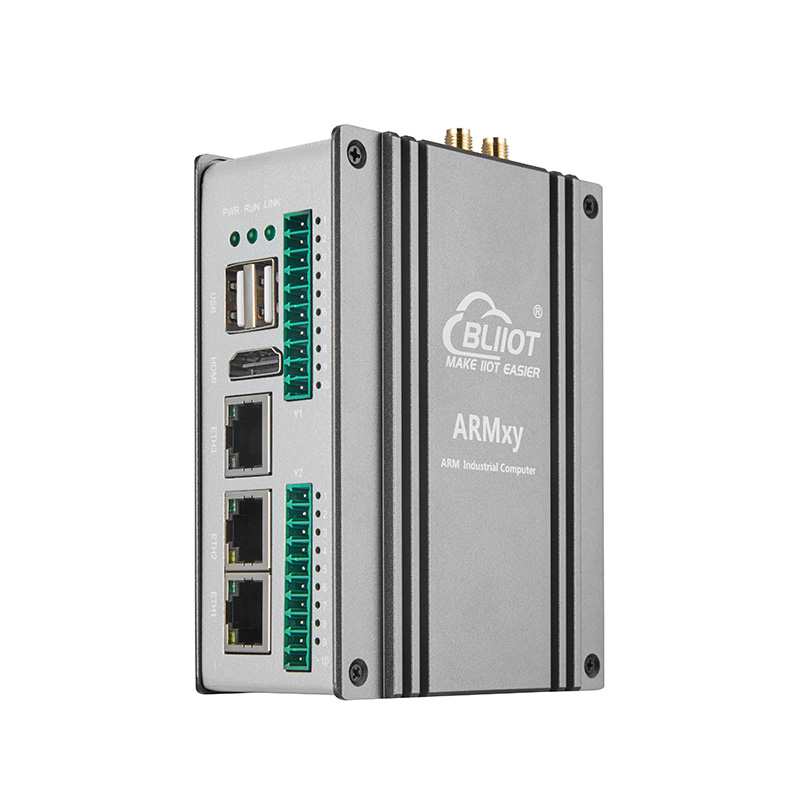
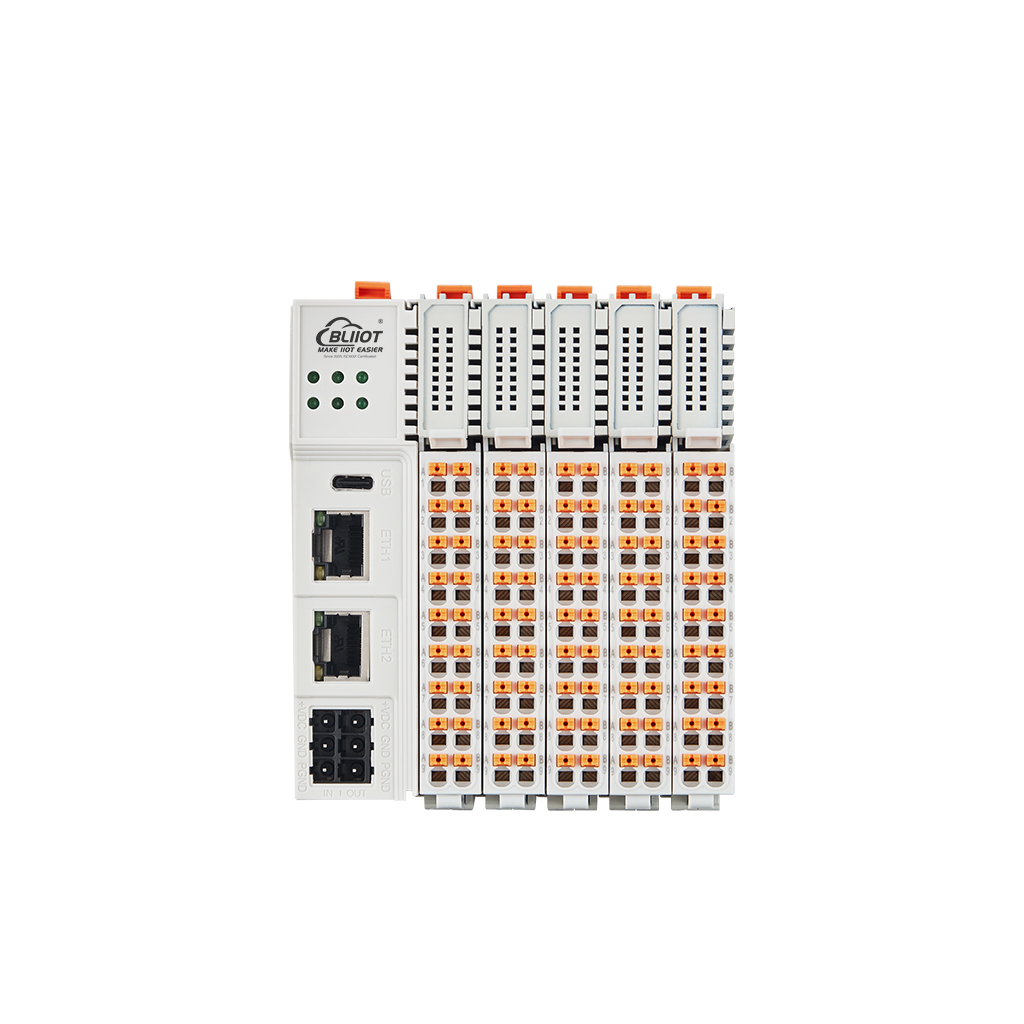
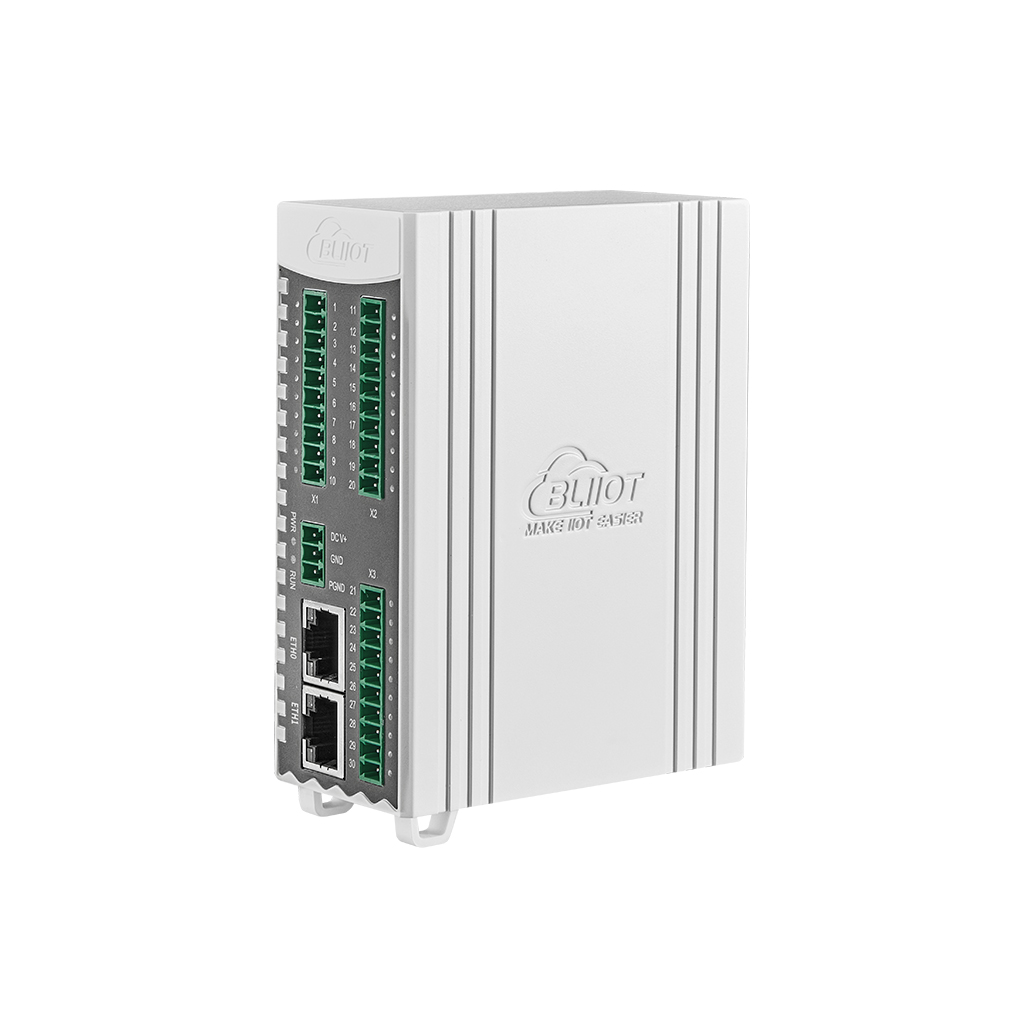
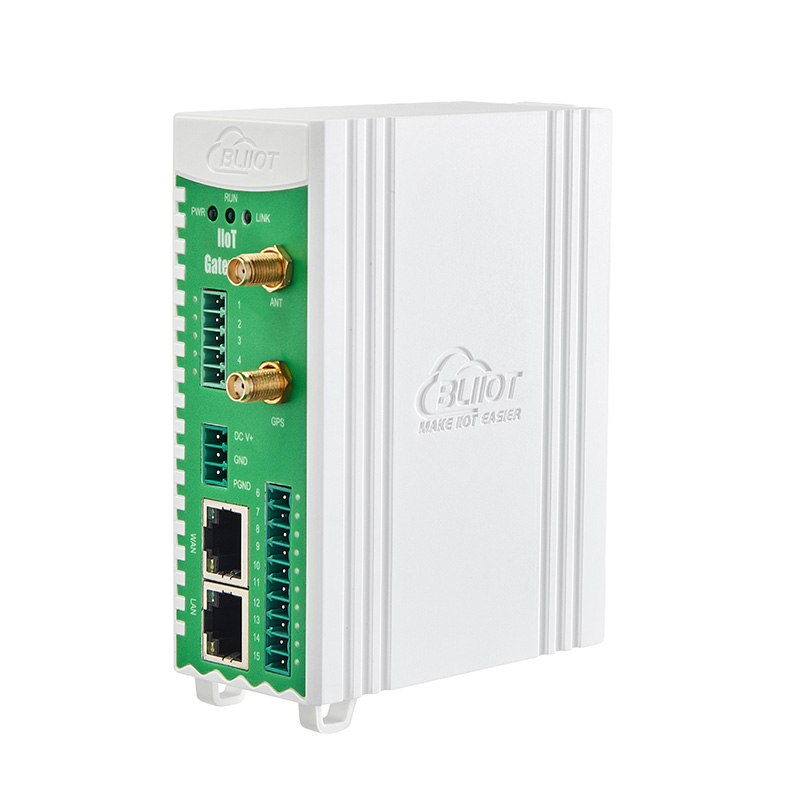
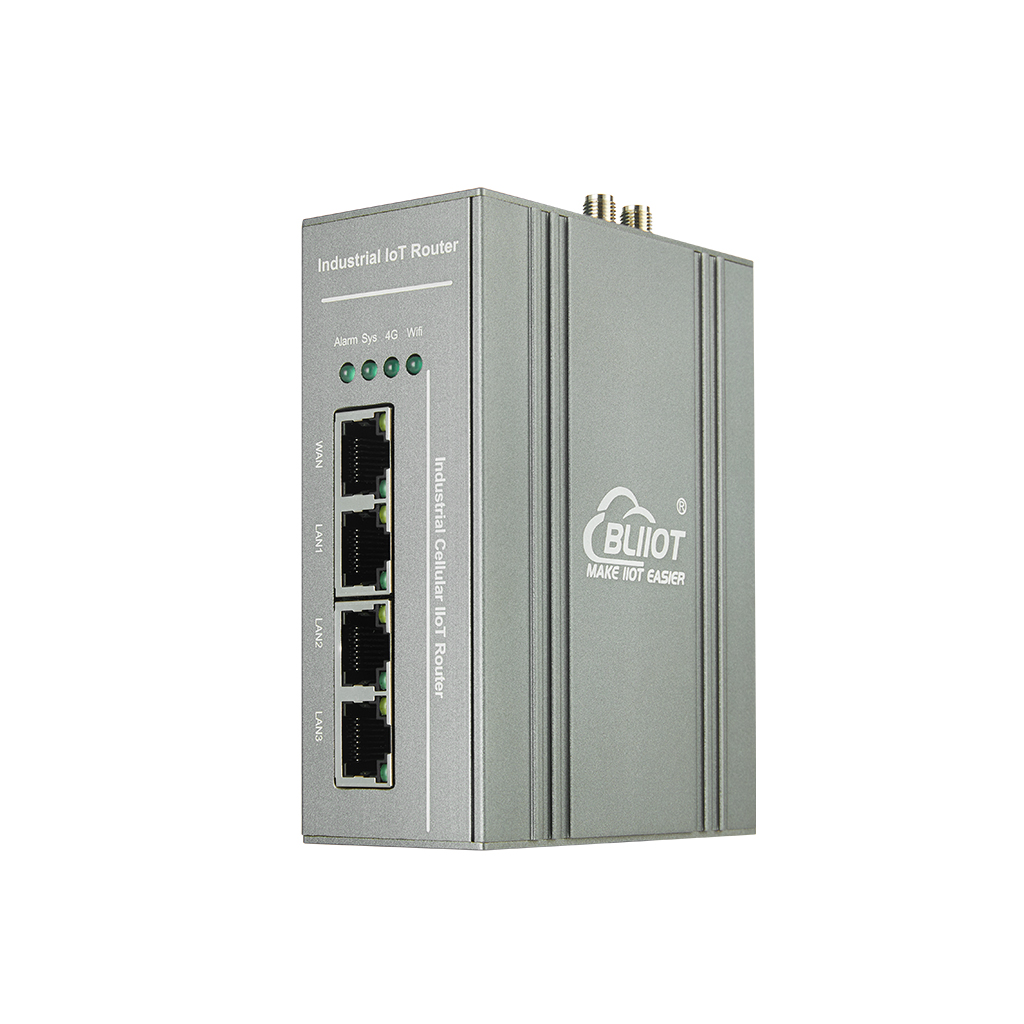
Explore BLIIOT EA Series industrial edge AI computers, featuring NVIDIA Jetson Orin and flexible industrial connectivity. With essential interfaces and optional Y-series I/O expansion on EA230Pro and EA250Pro, you can configure DI, DO, AI, AO, RTD, and communication interfaces to meet different project requirements. Build a more adaptable hardware solution while avoiding unnecessary I/O costs.
Beyond AI Performance: Connecting Edge Computing to the Industrial Field
1. AI Computing Power Is Only Part of the Picture
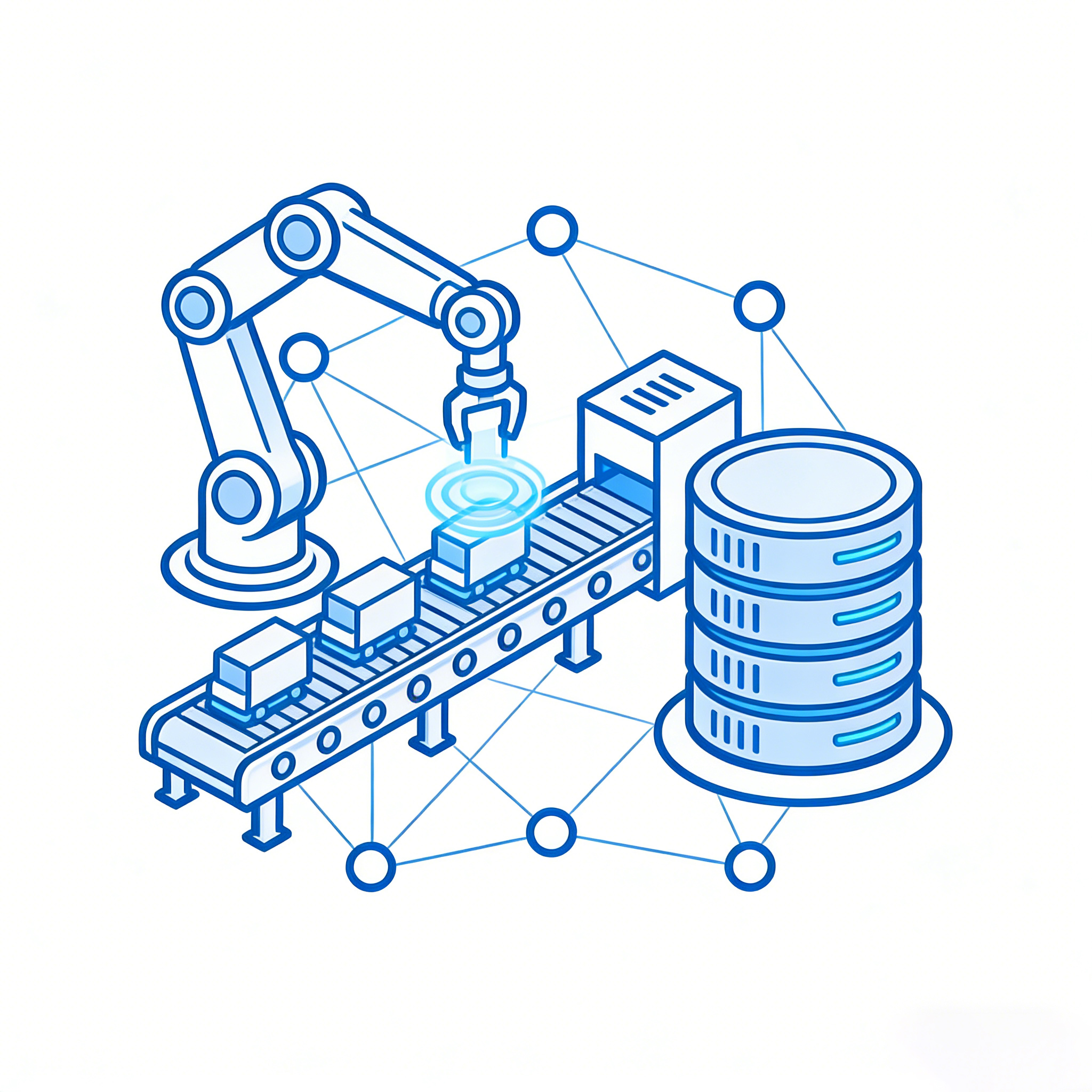
In industrial automation, AI computing performance is only one part of an edge computing system. An industrial edge AI computer must also communicate with sensors, actuators, PLCs, controllers, and other field devices to become a practical part of the overall system.
Different applications require different types of interfaces:
-
DI/DO (Digital Input/Output): For monitoring equipment status, receiving switching signals, and controlling relays, solenoid valves, and other digital devices.
-
AI/AO (Analog Input/Output): For collecting signals such as pressure, temperature, and liquid level, or outputting voltage and current signals to external equipment.
-
RS485/RS232: Commonly used to connect meters, inverters, PLCs, and other serial communication devices.
-
CAN/CAN FD: Widely used in robotics, vehicles, and other systems requiring reliable data exchange.
These interfaces determine how easily an edge AI computer can integrate with existing industrial equipment and control systems.
2. Fixed I/O vs. Modular I/O: Which Makes More Sense?
With a fixed I/O design, the number and type of input and output channels are predefined. This approach works well when project requirements are clear and hardware configurations remain consistent.
However, industrial customization projects often have different requirements.
A machine vision system, for example, may prioritize camera connectivity and require only a few digital I/O channels. A robotic control system may need more CAN, RS485, and digital I/O interfaces.
Using the same fixed I/O configuration across different projects can result in insufficient interfaces or unused hardware resources.
Modular I/O offers a more flexible approach. Instead of configuring every device with the same interfaces, users can select expansion modules based on actual application requirements.
Key advantages include:
-
Flexible configuration: Select DI, DO, AI, AO, RTD, or other modules according to field requirements.
-
Reduced unnecessary hardware: Avoid paying for interfaces that a project does not need.
-
Adaptability: Use the same hardware platform across different application scenarios with different I/O configurations.
-
Customization flexibility: Give OEMs and system integrators more freedom when designing application-specific hardware.
3. How Does the BLIIOT EA Series Support Flexible I/O?
The BLIIOT EA Series industrial edge AI computers are built on the NVIDIA Jetson Orin platform, combining local AI inference capabilities with industrial connectivity.
The EA230 and EA250 provide essential industrial interfaces, including isolated GPI/GPO, RS485/RS232 (multiplexed, one option at a time), and CAN FD. These models are suitable for edge AI applications with relatively straightforward connectivity requirements.
For projects requiring more extensive peripheral I/O, the EA230Pro and EA250Pro support the Y-series I/O expansion solution.
Users can select different modules based on their application needs:
-
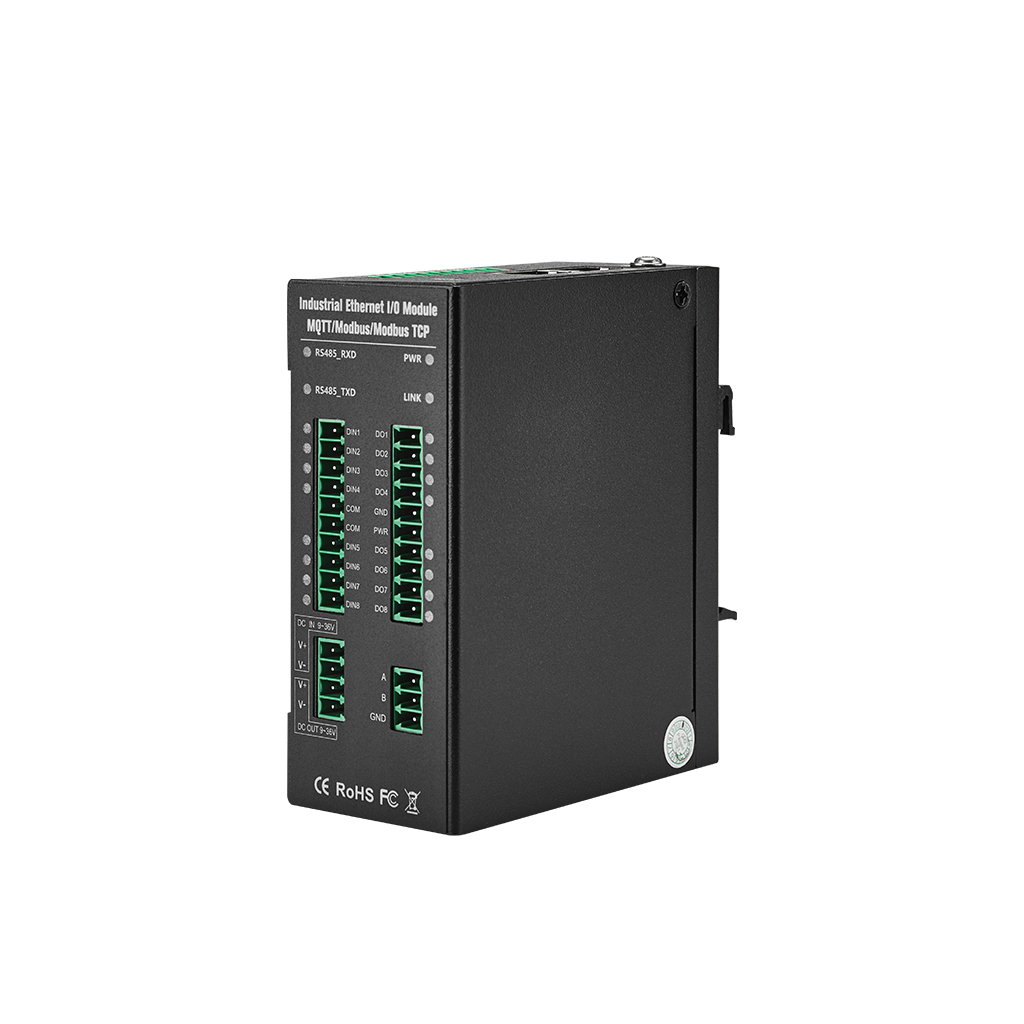
Digital I/O modules: DI, DO, and relay outputs.
-
Analog I/O modules: Current and voltage inputs and outputs.
-
Temperature acquisition modules: RTD (PT100/PT1000) and thermocouple (TC).
-
Communication modules: Additional RS485/RS232 interfaces.
-
Combined I/O modules: Integrated DI, DO, CAN FD, and RS485 interfaces.
For example, the Y80 module integrates 16 DI, 8 DO, 1 CAN FD, and 3 RS485 channels, making it suitable for applications requiring multiple industrial signal and communication interfaces.
By combining different expansion modules, the EA Pro Series can accommodate a wide range of requirements, from basic equipment status monitoring to more complex industrial control systems.
4. Choose I/O Based on Your Application
Selecting an industrial edge AI computer should involve more than comparing TOPS or processor specifications. Interface quantity, signal types, communication protocols, and future expansion requirements should also be considered during the early stages of project design.
For equipment manufacturers and system integrators, the right hardware platform should meet current connectivity requirements while leaving room for future upgrades and product development.
Flexible I/O is not about adding more interfaces. It is about choosing the right interfaces for the right application.
Looking for an industrial edge AI computer with application-specific I/O configurations? Contact BLIIOT to discuss a hardware solution tailored to your project requirements.