Skip carrier board design with BLIIOT BL460 CM5 Edge Computer. Enjoy zero Pi ecosystem migration, wide-temp housing, DIN-rail mount, and rich I/O to accelerate OEM mass production. Get the mapping checklist!
Raspberry Pi and Compute Module 5 (CM5) provide a flexible foundation for industrial edge computing prototypes. However, moving from a functional prototype to a production-ready device requires additional hardware engineering, including carrier board design, EMC validation, thermal management, power protection, mechanical integration, and long-term component availability.
For OEMs and system integrators, these requirements can significantly increase development time and engineering costs. Using a standard Raspberry Pi board still requires addressing enclosure design, power conversion, cable management, cooling, EMC performance, and maintenance access. A CM5-based custom design introduces additional responsibilities, such as carrier board development, factory testing, firmware maintenance, compliance validation, and component lifecycle management.
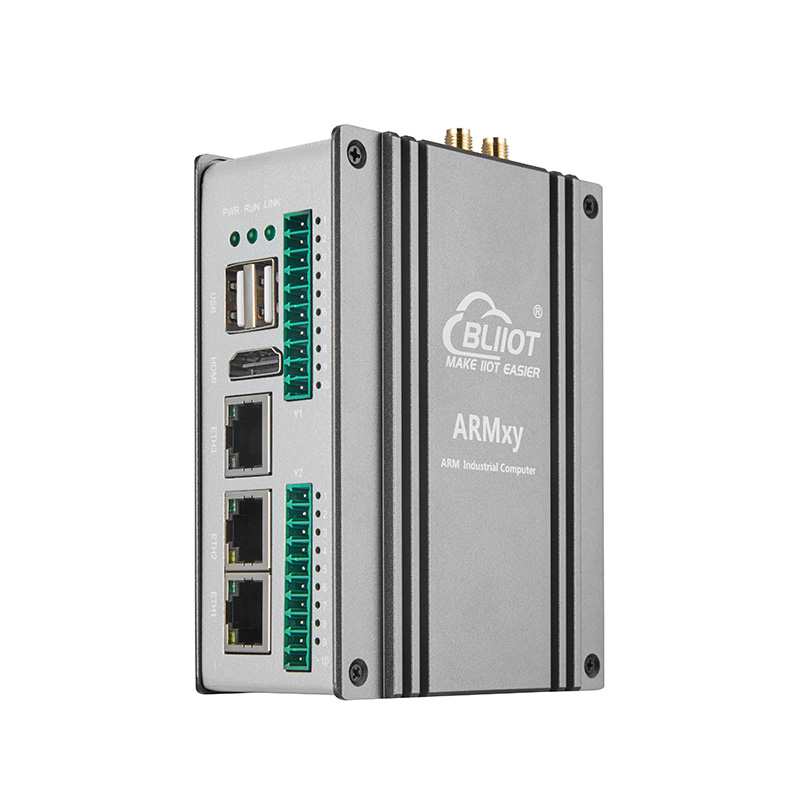
The BLIIOT ARMxy BL460 Series provides an alternative by integrating CM5-based computing into an industrial-grade hardware platform.
CM5-Based Computing Is Expanding into Industrial Applications
Raspberry Pi 5 and CM5 bring increased computing performance and flexible connectivity to industrial automation and IIoT applications.
The industrial ecosystem is also developing rapidly. EDATEC has introduced CM5-based industrial computers, HMIs, and CODESYS-compatible soft-PLC solutions for logic and motion control. Other manufacturers, including Chipsee and PiLink, have also developed CM5-based industrial box PCs and panel PCs.
These developments demonstrate the growing adoption of Compute Module technology in industrial hardware.
For equipment manufacturers, the key consideration is no longer simply whether CM5 can support an application, but how to integrate it into a reliable, maintainable, and production-ready system.
BL460 Integrates the Hardware Requirements for Industrial Deployment
The BL460 Series is based on the Broadcom BCM2712 quad-core Cortex-A76 processor running at 2.4 GHz. Rather than requiring OEMs to develop a separate industrial carrier platform, it combines CM5-based computing with essential industrial hardware features.
Key design features include:
-
Mechanical integration: Aluminum enclosure and DIN35 rail mounting simplify installation in industrial control cabinets and reduce the need for custom mechanical components.
-
Environmental protection: An operating temperature range of -20°C to +85°C, together with vibration and shock testing, supports deployment in demanding industrial environments.
-
Power management: 12–24 VDC wide-range input, reverse-polarity protection, and an independent hardware watchdog improve system reliability.
-
EMC performance: Designed and tested against EMC standards to support electromagnetic compatibility in industrial installations.
-
Hardware security: TPM 2.0 (ST33KTPM2X) supports device identity management, cryptographic key protection, and platform integrity.
By integrating these hardware elements into one platform, BL460 helps reduce the engineering work associated with developing and validating a custom industrial computer.
OEMs can therefore allocate more development resources to application software, system integration, and product-specific functionality.
Maintaining the Raspberry Pi Software Ecosystem with Industrial Connectivity
Hardware integration should not require unnecessary changes to an existing software architecture.
The BL460 supports Linux 6.18.50 and Raspberry Pi OS, with compatibility for Docker, Node-RED, and Qt 5.15.11. Its 40-pin GPIO interface also enables the reuse of compatible Raspberry Pi HATs and peripherals, subject to hardware and interface compatibility.
For connectivity and expansion, the platform provides:
-
1–3 RJ45 Ethernet ports, including 1 GbE and 2 Fast Ethernet interfaces
-
2 × USB 3.0 ports
-
M.2 NVMe storage
-
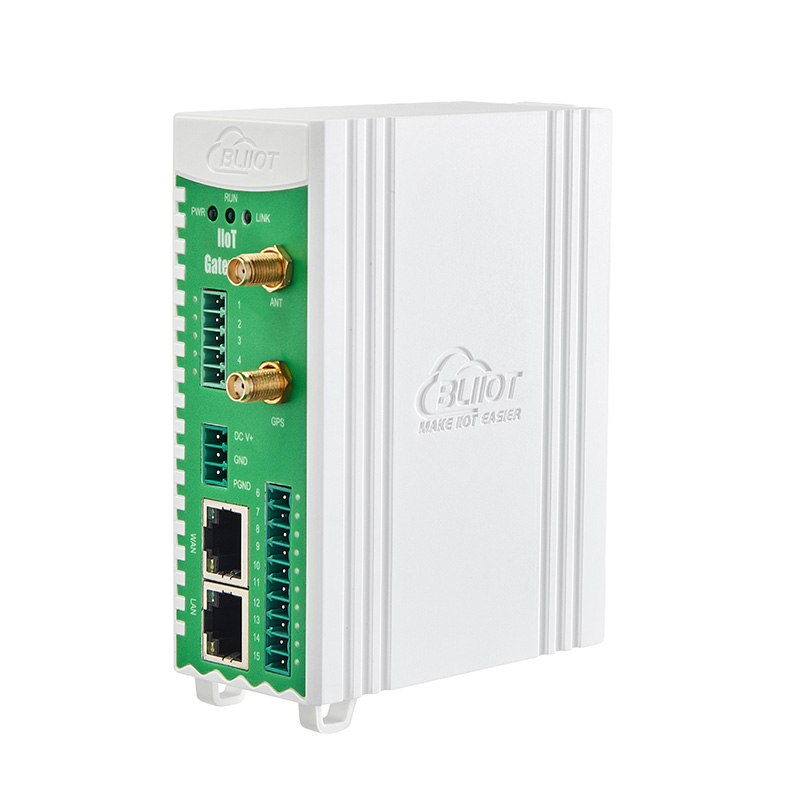
Mini PCIe expansion for 4G, 5G, and Wi-Fi modules
-
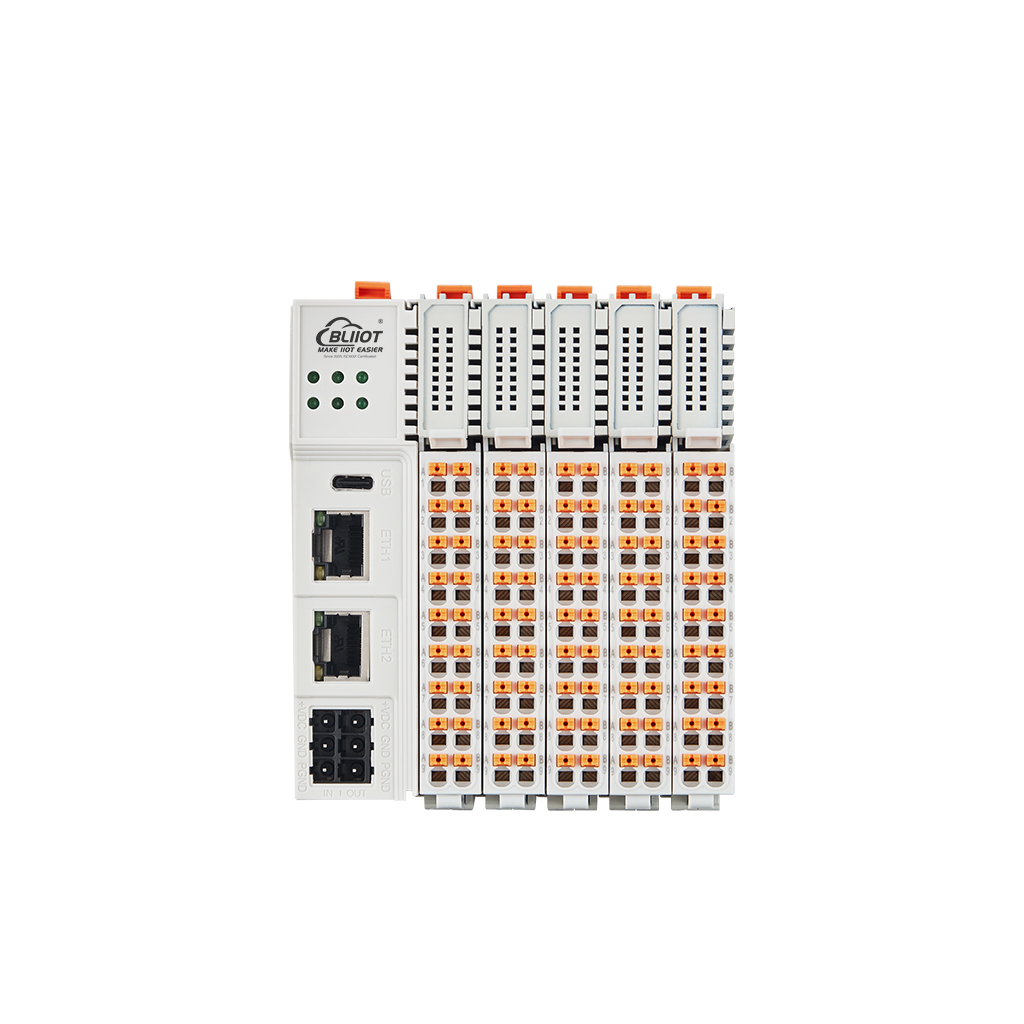
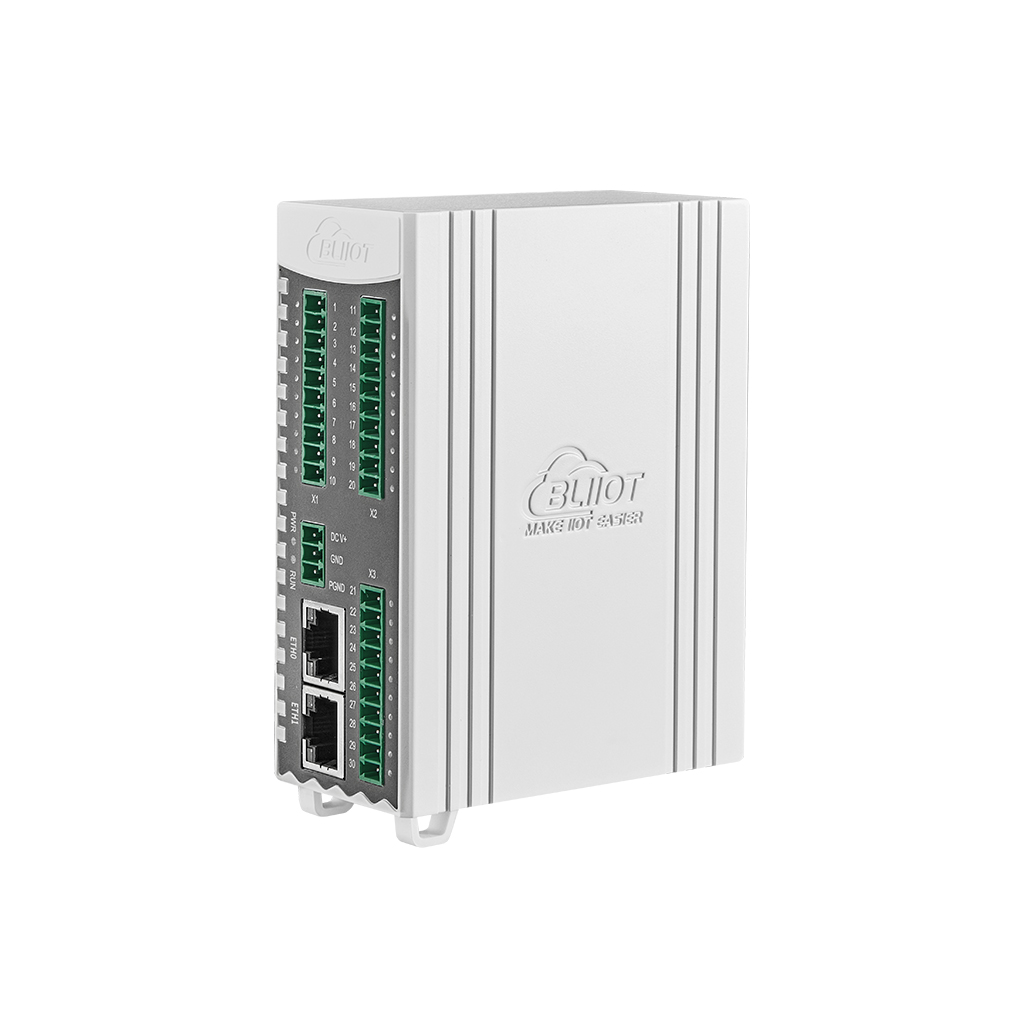
X/Y Series I/O board expansion slots
These interfaces consolidate multiple connectivity and expansion requirements within a single industrial computer, reducing dependence on external adapters and additional hardware modules.
For existing Raspberry Pi-based projects, this approach can simplify the transition from development hardware to an industrial deployment platform while retaining much of the established software environment.
Evaluating Hardware Compatibility Before Migration
Before migrating an existing Raspberry Pi or CM5 prototype to BL460, OEMs should evaluate the hardware configuration against the available interfaces and expansion options.
The assessment should cover:
-
GPIO and HAT compatibility: Verify pin assignments, electrical characteristics, and driver support.
-
Communication interfaces: Check Ethernet, USB, serial communication, and wireless connectivity requirements.
-
Expansion requirements: Confirm whether the required I/O functions can be implemented through the available X/Y Series I/O boards.
-
Software dependencies: Validate operating system versions, peripheral drivers, and application compatibility.
-
Power and environmental requirements: Confirm that the input voltage, operating temperature, and installation conditions meet the application requirements.
A structured compatibility assessment helps identify hardware changes before deployment and reduces integration risks during the transition to industrial production.
For OEMs and system integrators, BL460 offers a practical way to move CM5-based projects toward industrial deployment without developing an entire industrial computer platform from scratch.